



1. Why this topic matters
Digital technologies are transforming how we learn, communicate, participate in democratic life, and exercise our rights as European citizens. Artificial intelligence, social media, digital public services, and online platforms are creating new opportunities for participation, but also new challenges related to misinformation, trust, privacy, inclusion, and democratic engagement.
Across Europe, many citizens still face barriers to understanding how digital policies affect their everyday lives, while opportunities for meaningful participation remain uneven. Strengthening digital citizenship therefore means equipping people with the knowledge, skills, and confidence to participate critically, safely, and actively in an increasingly digital society.
This learning cycle is part of the FUTURENTITY – Citizens Councils for European Integration, AI in Future Identity, and Human-Centred Digital Citizenship, a project co-funded by the Citizens, Equality, Rights and Values (CERV) Programme of the European Union. FUTURENTITY explores how citizens can shape Europe’s digital future by promoting more inclusive, rights-based, and participatory approaches to digital citizenship.
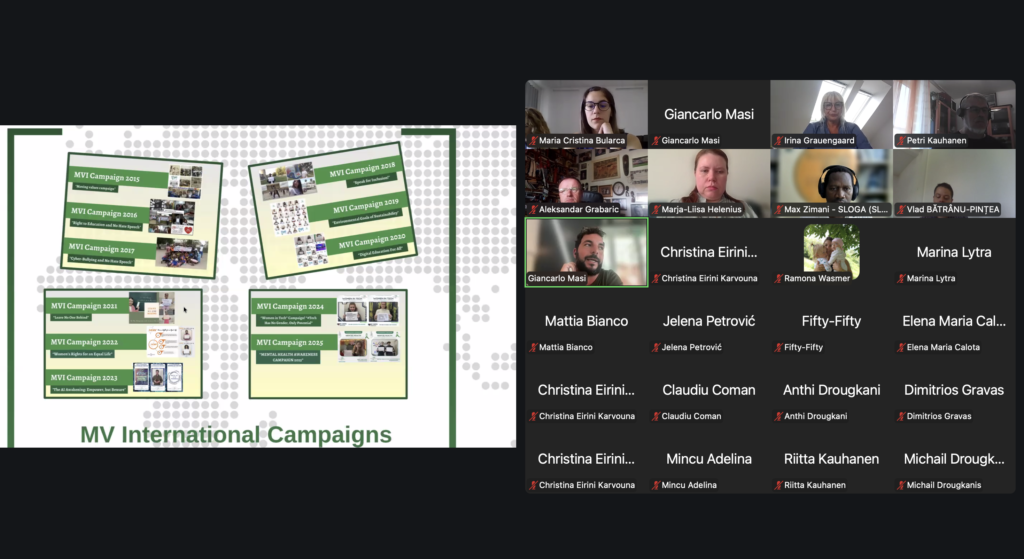
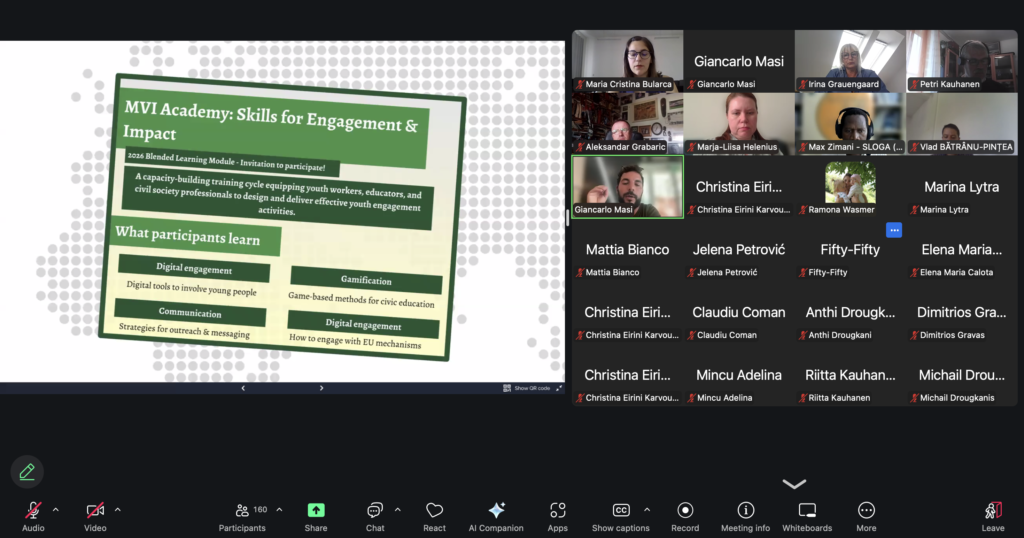
The Academy launched this learning journey with the online conference Europe ReDefined, attended by more than 160 participants from across Europe, who joined to discuss the opportunities and challenges of digital democracy and artificial intelligence.
This first cycle introduces the foundations that will underpin many of the themes explored throughout the Academy.
2. Learning Event: Europe ReDefined
The Europe ReDefined conference marked the launch of the Academy’s first learning cycle,bringing together citizens, educators, youth workers, civil society organisations, researchers, and policymakers from across Europe.
The event explored how artificial intelligence, digital identity, and emerging technologies are reshaping democratic participation and citizens’ rights. Through keynote presentations and interactive discussions, participants reflected on how Europe can foster a morehuman-centred, inclusive, and participatory digital future.
More than an introductory event, Europe ReDefined established a common knowledge base for the Academy and encouraged participants to critically engage with the questions that will shape future learning cycles.
3. Key concepts
4. Continue Exploring
Expand your learning through the following European resources:
European Policies & Strategies
- European Democracy Action Plan
- European Declaration on Digital Rights and Principles
- EU Citizenship Report (2020 & 2023)
- Artificial Intelligence Act
Research & Evidence
- Eurobarometer on Disinformation
- Standard Eurobarometer 101 – Spring 2024
- Council of Europe – Digital Citizenship Education
- UNESCO – Media and Information Literacy
Recommended Resources
- Digital Citizenship Education Handbook – Council of Europe
- DCE Planner – Council of Europe
- Media and Information Literacy Curriculum – UNESCO
- DigComp 2.2 – The Digital Competence Framework for Citizens – European Commission
5. Case Studies & Inspiring Practices
Learning is strengthened through real-world examples.
This section will showcase inspiring practices, innovative initiatives, and practical experiences from organisations and practitioners across Europe that demonstrate how digital engagement, civic participation, media literacy, and democratic innovation are being put into practice.
As the Academy progresses, this collection will grow through contributions and resources shared by speakers, participants, and partner organisations during the learning activities and seminar Labs.
6. Reflection & Learning Activity
- What does digital citizenship mean to you, and how does it influence the way you engage with your community or society?
- How can digital tools and technologies be used to strengthen civic engagement and create positive social impact? Share one example.
- Why is media literacy essential for active citizenship in today’s digital world?
- What does a human-centred approach to artificial intelligence look like in practice? Can you think of an example from your daily life or work?
- What is one action you could take to promote more inclusive, responsible, or meaningful digital engagement in your organisation or community?
7. Planned Outputs – FUTURENTITY
The FUTURENTITY project will further contribute to the Academy learning journey through two planned outputs:
- Citizens’ Vision Podcasts Portfolio – a collection documenting citizens’ scenarios and perspectives on the future of AI in Europe.
- Short Movie Version of the Digital Citizenship Integration Charter – an accessible audiovisual version of the Charter, presenting key ideas around digital citizenship and citizens’ role in shaping Europe’s digital future.
These outputs will be integrated into the Academy as they become available, providing participants with additional opportunities to explore and reflect on the themes addressed throughout the learning journey.